










U.S.–Israel vs. Iran War Update
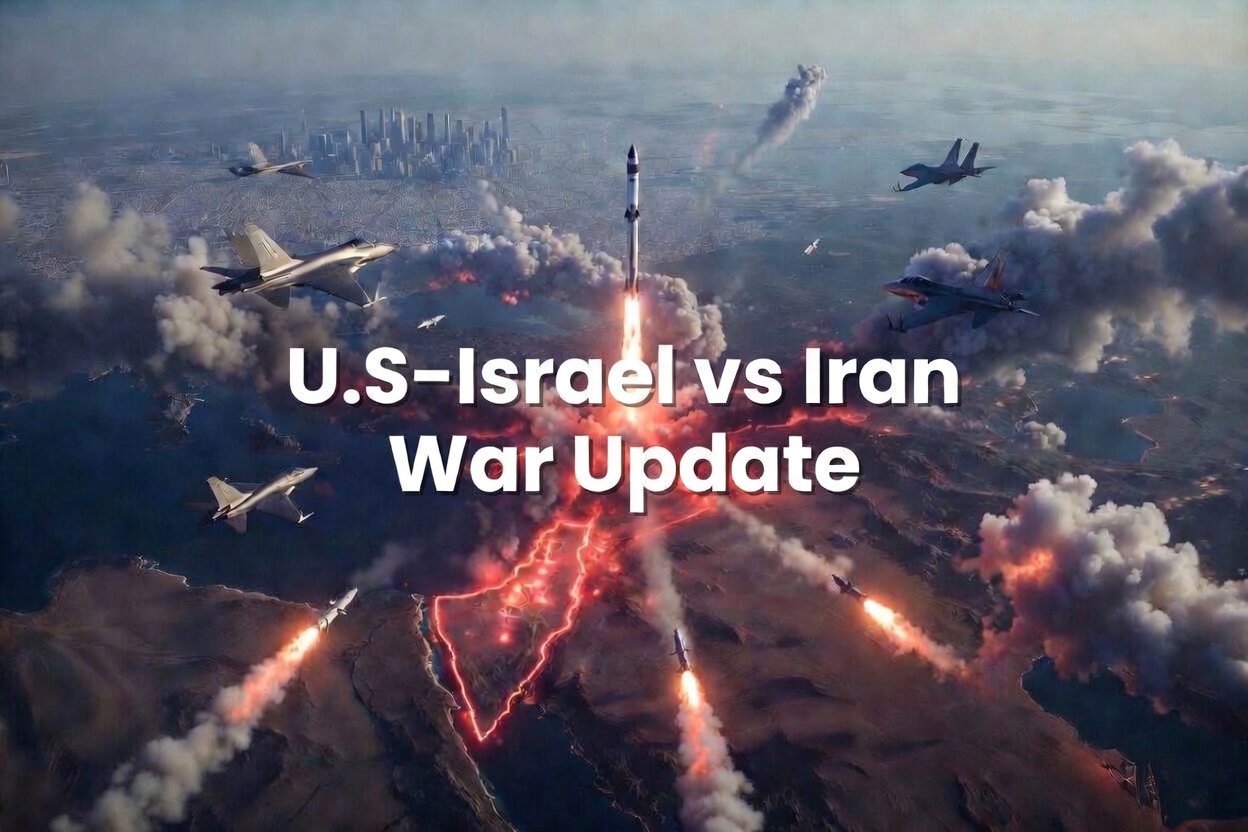
The escalating conflict between the U.S., Israel, and Iran has entered a critical phase as of March 10, 2026. What began as a targeted military campaign has rapidly expanded into a broader regional confrontation, drawing attention from governments and global markets.
Over the past eleven days, heavy airstrikes, missile attacks, and retaliatory operations have significantly increased casualties and raised fears of a wider Middle East war. In addition to the humanitarian impact, the conflict is also affecting global energy markets and international diplomacy.
How Long Could the War Last?
Prediction from U.S. Leadership
According to Donald Trump, the conflict could end relatively soon. U.S. officials claim that nearly 80% of Iran’s missile launch systems have already been destroyed during coordinated strikes carried out by American and Israeli forces.
This assessment suggests the coalition believes Iran’s ability to launch large-scale attacks may soon be significantly reduced.
Iran’s Position on the War
However, Iranian officials have presented a very different outlook. Abbas Araghchi stated that Iran will continue fighting “as long as necessary,” signaling that Tehran may be prepared for a prolonged war.
Iran’s strategy could involve sustaining pressure on U.S. and Israeli forces through missile strikes, proxy groups, and regional operations.
Main Battle Locations
The primary battlefield remains inside Iran. Major strikes have been reported in several cities, including:
-
Tehran, the country’s capital and political center
-
Arak, an important industrial and nuclear-related location
These attacks have targeted military infrastructure, energy facilities, and strategic installations.
Casualty Numbers So Far
Casualties in Iran
Iran has suffered the largest number of casualties so far. Estimates suggest that between 1,255 and 1,761 people have been killed since the beginning of the conflict.
Many of the deaths have occurred in airstrikes targeting military infrastructure as well as densely populated urban areas.
Casualties in Israel
Israel has reported 13 to 16 fatalities, including several victims of a ballistic missile strike in the city of Beit Shemesh.
Thousands more have reportedly been treated for injuries since the beginning of the fighting.
U.S. Military Losses
The United States has confirmed the deaths of eight to nine service members stationed across the Middle East. These losses have primarily resulted from missile and drone attacks targeting U.S. military bases in the region.
Regional Casualties
The conflict has also affected neighboring countries. Additional casualties have been reported in:
-
Lebanon – nearly 500 deaths
-
United Arab Emirates – 6 deaths
-
Kuwait – 4 deaths
-
Saudi Arabia – 2 deaths
These incidents largely involve retaliatory strikes on locations hosting coalition forces or military infrastructure.
Current Status of the War
Has the Fighting Stopped?
Despite ongoing diplomatic discussions, there is currently no official ceasefire. Military operations continue across multiple parts of the Middle East, and both sides appear committed to continuing the conflict.
Most Intense Phase Yet
According to Pete Hegseth, March 10 represents the most intense day of strikes since the war began. Coalition forces have expanded their operations targeting Iranian infrastructure and military assets.
Statements from Israel and Iran War Update
Israeli Prime Minister Benjamin Netanyahu has warned that the operation is far from over, stating that Israel will continue its campaign until its security objectives are achieved.
Meanwhile, Iran has reportedly begun deploying heavier warheads and expanding missile strikes in retaliation.
Who Will Suffer the Most Damage?
Impact on Iran
Iran is experiencing the most direct physical destruction from the conflict. Several strategic locations—including military installations, energy infrastructure, and industrial facilities—have been heavily damaged.
Some strikes have also reportedly targeted nuclear-related sites and oil facilities.
Impact on Global Economy
The conflict has had a major impact on global energy markets. Oil prices have surged above $110 per barrel, largely due to concerns about supply disruptions in the Middle East.
Shipping through the Strait of Hormuz, one of the world’s most important oil transit routes, has also been affected by rising tensions.
Impact on Regional Allies
Countries hosting U.S. military bases are also experiencing the consequences of the conflict. Missile and drone attacks have targeted facilities in:
-
United Arab Emirates
-
Kuwait
-
Saudi Arabia
These attacks highlight the broader regional risks associated with the escalating war.
Which Countries Support Each Side? U.S.–Israel vs. Iran War Update
Countries Supporting the U.S. and Israel
Several countries are providing logistical support, base access, or political backing to the U.S.–Israel coalition. These include:
-
Saudi Arabia
-
United Arab Emirates
-
Qatar
-
Bahrain
-
Kuwait
-
Jordan
Additional political support has come from Western allies including:
-
France
-
United Kingdom
-
Canada
-
Australia
-
Germany
-
India
Countries and Groups Supporting Iran
Iran also maintains a network of regional allies and proxy groups. These include:
-
Hezbollah in Lebanon
-
Houthi movement in Yemen
-
Militias operating in Iraq and Syria
Diplomatic support for Iran’s sovereignty has also been expressed by China and Russia, although neither country has entered the conflict militarily.
Diplomatic Efforts and Possible Ceasefire
International Mediation
Several international powers have reportedly initiated discussions aimed at reducing tensions and encouraging negotiations. Countries involved in these diplomatic contacts include China, Russia, and France.
Possibility of a Ceasefire
Although diplomatic channels remain open, no formal ceasefire agreement has been reached. Fighting continues across the region while international leaders attempt to prevent further escalation.
Future Outlook of the Conflict
Risk of Long-Term War
Some analysts warn that the conflict could evolve into a war of attrition, where both sides attempt to weaken each other over an extended period.
Economic Consequences
The war could have lasting effects on the global economy, particularly if disruptions to energy supplies continue.
Regional Security Concerns
The involvement of multiple countries and proxy groups raises concerns that the conflict could expand further across the Middle East.
FAQs (U.S.–Israel vs. Iran War Update)
When did the U.S.–Israel vs. Iran War start?
The conflict began on February 28, 2026, when the United States and Israel launched coordinated strikes targeting Iranian military infrastructure.
How many people have been killed so far?
Estimates suggest that between 1,255 and 1,761 people have been killed in Iran, with additional casualties reported in Israel, the United States, and neighboring countries.
Which countries support Iran?
Iran is supported by regional allies and proxy groups such as Hezbollah in Lebanon, the Houthi movement in Yemen, and militias operating in Iraq and Syria.
Why are oil prices rising during the conflict?
Oil prices are increasing due to instability in the Middle East and concerns about disruptions to shipping routes through the Strait of Hormuz, a key global oil transit corridor.