












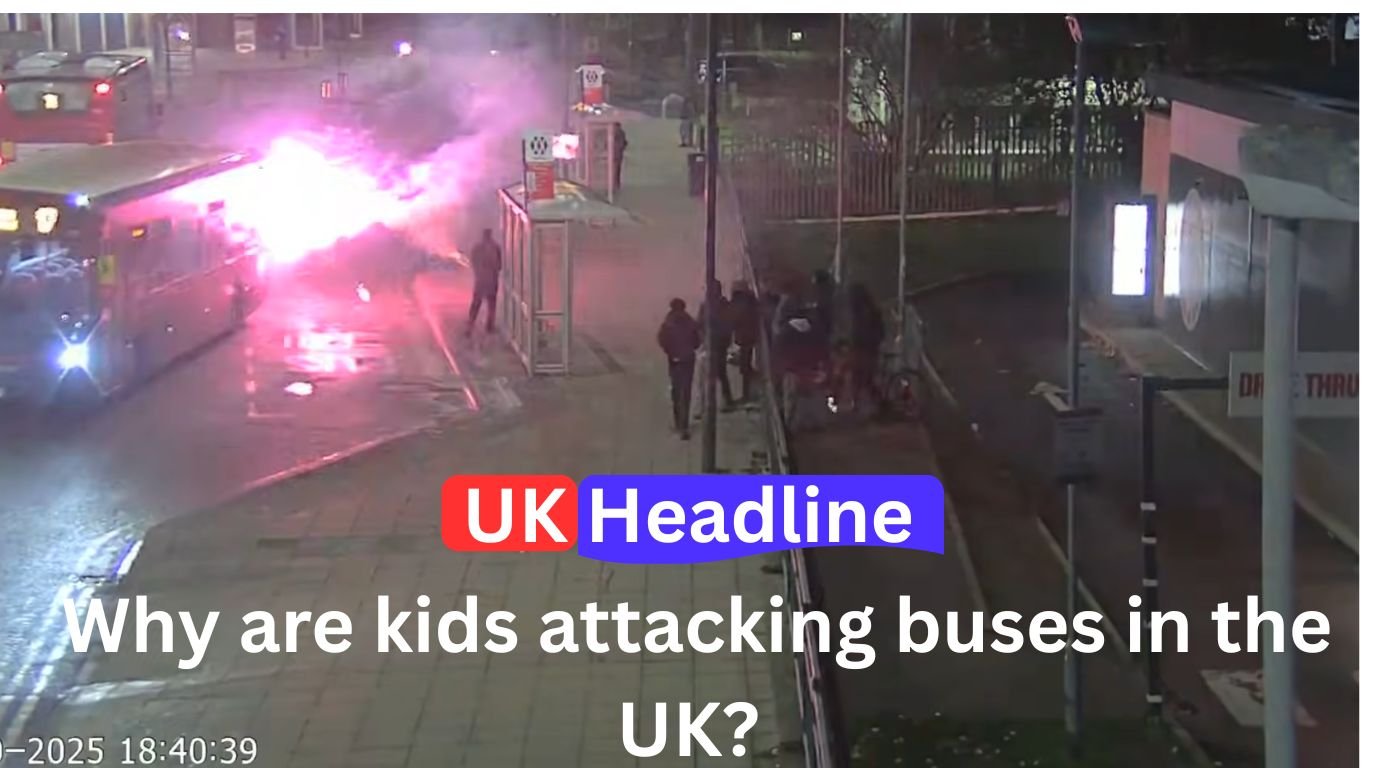
Is public transport unsafe in the UK?
Public transport in some parts of the UK feels unsafe because of rising antisocial behaviour, vandalism, verbal abuse, and occasional violent incidents. The most common issues include groups of young people damaging buses, fare evasion, fights, harassment of drivers, and occasional weapon sightings.
This increase is influenced by:
-
Lack of youth services and safe after-school activities
-
Social media “dares” and filming for attention
-
Reduced police presence on public routes
-
Drivers working alone without support
-
Overcrowded urban areas are experiencing higher tension
Most UK journeys are still safe, but certain regions — especially the West Midlands, Leicester, and parts of London — experience repeated problems that make some passengers feel anxious or vulnerable.
2. Rising antisocial behaviour on buses
Antisocial behaviour on buses has risen in recent years due to a combination of social, economic, and cultural factors. Common behaviours include:
-
damaging seats and windows
-
lighting fires or fireworks
-
threatening or abusing drivers
-
intimidating passengers
-
blocking stairwells or exits
-
climbing onto buses without paying
The result is a transport environment that feels unpredictable, especially during school-run hours or weekend evenings. Even though severe incidents are rare, the frequency of smaller disruptive behaviours creates the perception that buses are unsafe.
3. Is Birmingham’s public transport safe?
Birmingham’s public transport network is generally safe, but some routes — particularly in the West Midlands — experience higher levels of antisocial behaviour than others. Chelmsley Wood, Birchfield Road, and certain estate routes have been highlighted repeatedly by passengers and staff.
Safety concerns reported include:
-
fare evasion by groups
-
seat vandalism
-
firework attacks
-
verbal abuse of drivers
-
fights involving teenagers
-
occasional knife sightings
The region has responded by deploying Transport Safety Officers, expanding CCTV monitoring, and increasing cooperation with local police. While many journeys remain trouble-free, passenger confidence varies based on time of day, route, and personal vulnerability.
4. Why are kids attacking buses in the UK?
Some young people attack buses due to a mix of social pressures, boredom, and lack of consequences. Interviews with drivers, passengers, and local youth workers suggest several reasons:
-
No structured after-school activities leading to boredom
-
Peer pressure to impress friends
-
Desire for social media views, posting videos of bus damage or confrontations
-
Lack of fear of enforcement, as many believe “nothing will happen”
-
Economic pressures at home creating anger or frustration
-
Unsupervised group behaviour, where individuals act differently in crowds
Not all young people behave this way, but small groups can create significant disruption and fear.
5. What are Transport Safety Officers?
Transport Safety Officers (TSOs) are trained staff who patrol buses, trams, trains, and stations to reduce antisocial behaviour and support drivers. They are not police officers, but they have specific powers to:
-
challenge fare evasion
-
remove disruptive passengers
-
support those who feel threatened
-
report crimes directly to control rooms
-
gather evidence
-
identify suspects involved in vandalism or abuse
TSOs work closely with police and CCTV teams. Their presence alone often reduces tension on routes known for repeat incidents.
6. UK bus crime 2025
Bus-related crime in the UK in 2025 continues to be concentrated in a few high-pressure areas, particularly:
-
West Midlands
-
Leicester estates
-
Certain parts of London
-
Some coastal towns with youth gang activity
Incidents range from verbal abuse to vandalism and occasional assaults. Many operators report:
-
windows being smashed
-
buses being boarded without paying
-
fights among young people
-
threats to drivers
-
property damage at bus stops
However, millions of bus journeys every day remain completely safe. The challenge is that a small number of routes generate a large percentage of the incidents.
Authorities are responding with improved CCTV networks, expanded transport safety teams, and new enforcement powers for councils.
7. How safe are buses in Britain?
Overall, buses in Britain remain one of the safest forms of public transport, especially when compared to cars or bikes. The majority of journeys — including school routes, city services, and rural lines — are uneventful.
However, public perception has changed because of:
-
increased visibility of antisocial behaviour
-
viral videos of bus damage
-
incidents clustered in specific towns
-
Stories from drivers facing regular abuse
So while buses are statistically safe, many riders feel emotionally unsafe or uneasy, particularly vulnerable groups such as disabled passengers, elderly people, or those travelling late in the evening.
Violence on public transport explained
Violence on public transport in the UK tends to fall into a few categories:
1. Passenger-to-passenger conflict
Arguments escalating into physical fights — often involving teenagers.
2. Abuse directed at drivers
Drivers report insults, threats, objects thrown at them, and rare cases of physical assault.
3. Vandalism
Broken windows, damaged seats, graffiti, fire damage, and smashed shelters.
4. Weapons incidents
Occasionally knives or improvised weapons appear, usually linked to local disputes rather than targeted attacks on the public.
5. Group intimidation
Large groups crowd entrances, block walkways, or refuse to pay.
Most incidents occur quickly and unpredictably. CCTV, control-room staff, and Transport Safety Officers work together to respond, but coverage cannot be everywhere at once.
In conclusion
While millions of journeys on UK buses and trains are safe every day, rising antisocial behaviour, vandalism, and occasional violence have left some passengers feeling uneasy. Understanding why public transport is unsafe in the UK, from youth-related incidents to understaffed routes, helps communities and authorities take action. Transport Safety Officers, CCTV monitoring, and stronger enforcement powers are making a difference, but staying alert, reporting incidents, and supporting safety initiatives are key to protecting yourself and others