








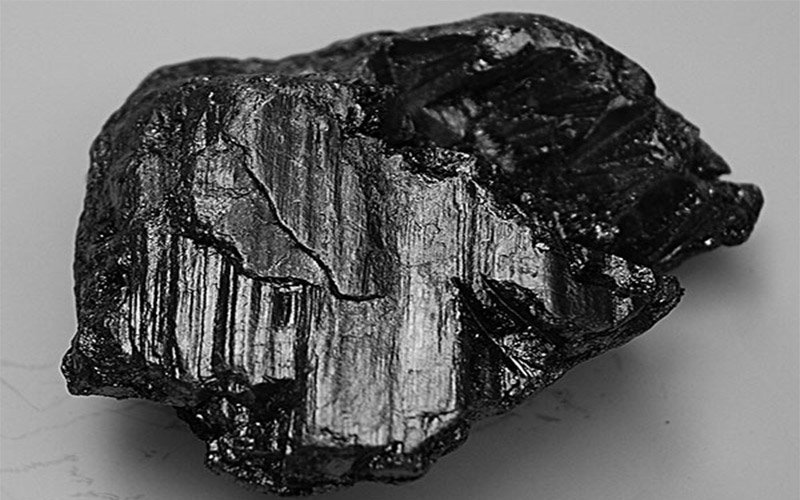
Graphite is a highly versatile material used in industries ranging from electronics and metallurgy to aerospace and energy production. Its unique properties—such as high thermal resistance, electrical conductivity, and chemical stability—make it ideal for specialized industrial components. However, cutting graphite accurately requires the right tools and techniques. Effective Graphite Cutting ensures precise shapes, smooth surfaces, and minimal material waste.
In this guide, we explore the main methods used for graphite machining, the tools that deliver the best results, and why modern technologies like the endless diamond wire saw are becoming increasingly popular.
Understanding Graphite as a Machining Material
Graphite is considered a brittle and relatively soft material compared to metals, but it still requires specialized machining techniques. Its layered crystalline structure allows it to fracture easily if the wrong cutting tool or method is used.
During Graphite Cutting, controlling heat and preventing edge chipping are essential. Traditional cutting methods may generate heat and vibration, which can cause surface damage or rough edges on graphite components.
For industries that rely on high-precision graphite parts—such as electrodes, molds, and semiconductor components—maintaining dimensional accuracy and surface quality is critical.
Traditional Methods for Graphite Cutting
Several conventional techniques have been used for cutting graphite for many years. Each method offers specific advantages but also presents certain limitations.
One common approach is sawing with conventional blades or diamond-coated saw blades. This method involves moving the blade back and forth across the graphite surface to remove material. However, the friction generated during cutting may produce heat, leading to surface roughness or expansion of the graphite.
Milling is another widely used method. In this process, rotating tools such as end mills remove material from graphite blocks or components. Milling can achieve precise shapes, but it often results in higher material waste and requires careful dust management.
Grinding is typically used as a finishing process rather than a primary cutting technique. It helps refine the surface of graphite components and achieve the desired smoothness.
Wire EDM (Electrical Discharge Machining) is also used in certain cases, especially when complex shapes and tight tolerances are required. This technique removes material through electrical discharges between a thin wire and the graphite workpiece.
Modern Graphite Cutting with Endless Diamond Wire Technology
In recent years, advanced wire-based technologies have transformed industrial Graphite Cutting processes. Among these innovations, the endless diamond wire saw has gained significant attention for its efficiency and precision.
An endless diamond wire saw uses a continuous loop of steel wire coated with industrial diamond particles. As the wire moves at high speed, the diamond abrasives grind through the graphite material smoothly and efficiently.
This cutting method offers several advantages compared with traditional techniques.
First, it significantly reduces material waste because the wire has a very small cutting width, often referred to as kerf. Second, the cutting speed is faster due to the continuous motion of the diamond wire. Third, the process produces smoother surfaces and cleaner edges, which reduces the need for additional finishing processes.
Additionally, the endless diamond wire saw is highly versatile and can cut graphite blocks, electrodes, sheets, and complex components with excellent precision.
Advantages of Endless Diamond Wire Saw for Graphite Processing
The endless diamond wire saw offers several benefits that make it ideal for modern graphite machining applications.
One key advantage is precision. The continuous loop design allows the wire to maintain stable tension, ensuring smooth and accurate cuts even when working with delicate graphite materials.
Another advantage is cutting efficiency. Diamond particles embedded in the wire surface act as extremely hard micro-cutting tools, enabling fast and consistent material removal.
The technology also reduces mechanical stress and vibration during cutting, which helps prevent cracking or chipping along the edges of graphite parts.
Finally, the process improves overall productivity because the cutting operation requires less time and fewer secondary finishing steps.
Applications of Graphite Cutting in Industry
Graphite components are essential in many modern technologies. Precise Graphite Cutting is required in several industries where accuracy and material integrity are critical.
In the electronics industry, graphite is used to manufacture electrodes and components for semiconductor processing.
In metallurgy, graphite molds and crucibles are used in metal casting and high-temperature operations.
Graphite also plays an important role in aerospace and automotive industries, where it is used to produce lightweight and heat-resistant components.
Advanced cutting tools like the endless diamond wire saw help manufacturers create complex graphite parts with high precision and efficiency.
Choosing the Right Graphite Cutting Solution
Selecting the best cutting method depends on several factors, including material thickness, required precision, production volume, and budget.
Traditional methods like milling or sawing may still be suitable for basic applications, but modern industries increasingly prefer advanced wire cutting technologies due to their efficiency and accuracy.
For high-value graphite materials and complex components, the endless diamond wire saw provides a reliable solution that balances speed, precision, and minimal material waste.
Conclusion
Cutting graphite effectively requires the right combination of tools, technology, and process control. While traditional machining methods such as sawing and milling are still used, modern solutions like the endless diamond wire saw offer superior precision, faster cutting speeds, and improved surface quality.
As industries continue to demand higher performance and efficiency, advanced Graphite Cutting technologies will play a vital role in manufacturing high-quality graphite components for electronics, energy systems, aerospace, and beyond.